
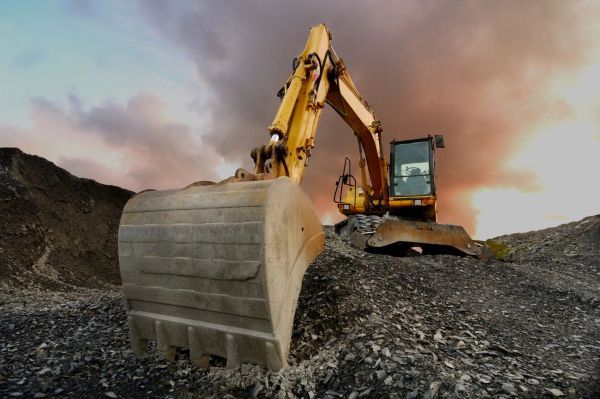
A small excavator can dig a trench or clear a limited area, but some projects need far more power, reach, and lifting capacity. Heavy equipment excavation services are built for demanding earthwork such as deep foundation cuts, large drainage channels, mass soil removal, hard ground, and major grading. The key difference is not only machine size. It is the amount of force, depth, reach, stability, and material a machine can handle during a full excavation project. Choosing the right equipment can also help prevent delays caused by limited digging depth or bucket capacity.
The Job Size Tells You Which Machine Belongs on Site
Equipment selection starts with the work plan. A contractor looks at excavation depth, soil type, site size, access, required production, and the amount of material that must be moved. These details help determine the machine that can complete the work without unnecessary stops or changes.
A compact excavator may be ideal for a backyard project. Its smaller footprint allows it to work near homes and through narrow entrances. A large excavator needs more space, but it can remove far more soil in each digging cycle. This difference becomes clear on large construction sites.
For a large site, using a machine that is too small can mean more passes, more loading cycles, and a longer excavation period. The correct equipment helps match machine output with the actual volume of earth that needs to be moved. This can make the work easier to organize.
Deep Cuts Need Reach, Not Just Horsepower
Depth creates a different problem. The machine must reach the bottom of the cut while keeping the work area stable. The operator also needs enough reach to work without moving the machine after every small section.
Large excavators have longer working ranges and stronger hydraulic systems. This allows the operator to reach deeper sections without constantly repositioning the machine. It can also help with large cuts that would take much longer with compact equipment.
This matters for basement foundations, deep drainage structures, large utility trenches, stormwater features, and other below-grade work. The excavation plan must still account for soil stability and the required side slopes or support system.
Hard Ground Can Expose a Small Machine's Limits
Ground conditions can change the entire excavation process. Dense clay, compacted fill, gravel, and rock can resist a standard digging bucket. A machine that works well in loose soil may struggle in hard ground.
Heavy excavators provide greater hydraulic force at the bucket and arm. They can also use suitable attachments for specific materials. A hydraulic breaker, for example, may be used to break hard material before removal.
The attachment must match the machine and the ground condition. Using the wrong tool can reduce output and place unnecessary strain on equipment. A proper site check can help identify hard areas before digging begins.
Large Foundations Create a Different Workload
A large foundation is not simply a bigger version of a small residential dig. It may require a broad excavation area, substantial depth, controlled slopes, and removal of a large quantity of soil.
Heavy equipment can make repeated cuts across a wide footprint without constant machine repositioning. Its larger bucket capacity also allows more material to be removed during each cycle. This can be useful on large building sites.
The operator must work from the approved excavation layout. Grade checks are needed so the cut does not go beyond the required depth. Proper measurements help create the space needed for the next stage of construction.
Mass Soil Removal Is Where Capacity Matters
Imagine a site with hundreds of cubic yards of soil that must be removed. The challenge is no longer just digging. The material must be loaded, moved, placed, or hauled away in an organized sequence.
Large excavators can load trucks faster than many compact machines because their buckets carry more material. Their greater reach can also help load from a better position.
This can make a major difference on building pads, large grading projects, commercial site preparation, and extensive drainage work. Large soil volumes are much easier to manage with equipment built for high output.
Large Drainage Projects Need Reach and Control
Drainage work often involves long channels, deep cuts, culverts, detention areas, or large pipe runs. A compact machine may handle part of the work, but its limited reach can become a problem across a large site.
A heavy excavator can work from a stable position while reaching farther into the excavation. This can reduce unnecessary repositioning and help maintain a steady work sequence.
The operator must also follow the planned grade. Drainage systems depend on correct slope, depth, and pipe placement. Small grade errors can affect how water moves through the finished system.
Rock, Stumps, and Oversized Material Need More Force
Some excavation projects involve large roots, heavy stumps, buried debris, or rock. These materials can exceed the practical capacity of smaller machines.
Heavy equipment can use approved attachments suited to the task. Greater lifting capacity also helps handle material that cannot be safely moved by compact equipment.
A site assessment helps identify these conditions before production starts. Early planning reduces delays caused by unexpected ground obstacles and helps the contractor select suitable equipment.
Wind Up:
Heavy equipment becomes valuable once excavation moves beyond small, shallow work. Deep cuts, hard soil, large foundations, long drainage runs, major grading, and high soil volumes can require the reach and capacity of larger machines.
For a project that needs substantial earth removal or site preparation, contact a qualified excavation service in Laurens County. Ask for an assessment of the soil, access, excavation depth, material volume, and machine requirements before work starts. A clear equipment plan can help keep the project moving and prevent a small machine from becoming a major limitation.